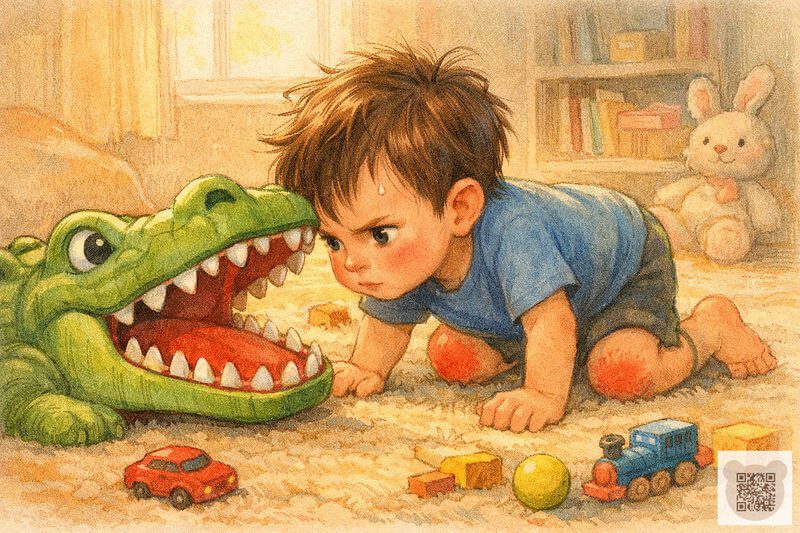
“Mom, look! Mom, play! Mom, watch this!” It’s 4 PM, you’ve heard your name 400 times since lunch, and all you want is five minutes of uninterrupted silence to finish a lukewarm coffee. You love your 4-to-7-year-old fiercely, but the constant “entertainment director” role is wearing you thin.
Why does a child who can build complex Lego worlds still need you to sit on the floor for every single brick? If you feel like your kid has forgotten how to breathe without your audience, you’re not failing—you’re just stuck in the ‘attention loop.’ Let’s talk about how to reclaim your boundaries and finally teach your child the superpower of independent play (without the guilt).
⏱️ Reading time: 15 min
Why Your 4-7 Year Old Constantly Demands Attention

It’s the great parenting paradox: your child is old enough to dress themselves, tell complex stories about dinosaurs, and navigate an iPad with surgical precision. Yet, the moment you sit down to send a single email, they act as if they’ve forgotten how to exist without your direct supervision.
At ages 4 to 7, children are in a massive developmental transition. They are craving autonomy, but they are also terrified of the separation it implies. Here is why the “Look at me!” loop is on repeat:H3: Attention Seeking vs. Connection Seeking: What’s the Difference?
Read Next:
- More Expert Parenting Tips & Strategies
- Preschool Angel, Home Monster? Understanding After-School Restraint Collapse
- The Dopamine Trap: Why Expensive Toys Lead to More Tantrums (and What to Do Instead)
The “Connection Tank” is Running Low
Think of your child’s emotional state as a battery. For a 4, 5, or 6-year-old, independent play feels like unplugging from their primary power source—you. If they’ve spent all day at school or Kindergarten following someone else’s rules and navigating social pressures, they often come home with an entirely empty tank.
When your child requires constant attention the moment you walk through the door, they aren’t just being “difficult.” They are trying to “refuel” through your presence to combat the parental burnout cycle you both might be feeling. They don’t just want you to play Legos; they are seeking a sense of security. In their developing mind, attention equals safety, and proximity to you is the only way to regulate their nervous system after a long day of being “on.”
This is why teaching independent play is so difficult in the evenings. If the “Connection Tank” is bone-dry, a child literally lacks the emotional resources to sit alone with their toys. This attention seeking behavior is actually a desperate cry for connection-seeking. Before they can successfully engage in solitary play, they need to know their “anchor” is secure. By acknowledging that they won’t play alone because they feel emotionally disconnected, you can stop fighting the behavior and start filling the tank—which, paradoxically, is the fastest way to finally get that 20-minute break you’re craving.
The “Entertainment Director” Trap
Let’s be honest: we’ve accidentally trained our kids to be passive observers of their own boredom. In an era of curated activities and on-demand streaming, many children haven’t developed the “boredom muscle.” This is a major hurdle when teaching independent play skills to a 4-7 year old.
If we jump in to entertain them every time they whine or claim they have “nothing to do,” we inadvertently send the message that their boredom is our problem to solve. They never learn that solitary play is their responsibility, not ours. When a child won’t play alone, it’s often because they’ve become dependent on a “director” to tell them what comes next.
By constantly providing ideas, we rob them of the chance to discover that boredom is actually the doorway to deep creativity. Here is how the “Entertainment Director” role fuels the attention seeking behavior:
- The On-Demand Expectation: In a world of instant Netflix and YouTube, children expect engagement to be immediate and effortless. Independent play requires effort, and they will resist it as long as they have a “human remote control” (you) available.
- The Loss of Initiative: When you are the one setting up the crafts or starting the Lego tower, the child remains a passive participant. They don’t learn how to initiate self-entertainment.
- The Feedback Loop: Every time you “save” them from boredom, you reinforce the idea that they can’t function without you. This is a primary reason why a 5-year-old needs me to play with him all the time—they simply don’t trust their own imagination yet.
To break this cycle and prevent parental burnout, we have to stop being the cruise ship directors. We need to allow for that uncomfortable “I’m bored” phase, because that is exactly where independent play begins.
Transition Anxiety and Big Feelings
Ages 4 through 7 are the “Big School” years. Kindergarten and first grade bring a lot of social pressure and new rules. When they get home, demanding your constant attention is their way of saying, “I had to be a ‘big kid’ all day, and now I just need to be YOUR kid.” They use play as a way to process these big feelings, and they want their favorite person—you—to be the witness.
The Dopamine Hit of “Mom, Look!”
Every time you look up from your phone or pause your chores to acknowledge yet another “cool jump,” your child’s brain receives a tiny, powerful hit of dopamine. For a 6-year-old or even a 7-year-old, your reaction is the ultimate reward. This cycle is exactly why teaching independent play feels like an uphill battle—you are competing with a biological craving for your validation.
The tricky part? Negative attention is still attention. If they can’t get your “happy” focus because you’re busy, they will instinctively settle for your “annoyed” focus. To a child who won’t play alone, being scolded is still better than being ignored. When a child requires constant attention, they are often just trying to verify that you are still “there” emotionally. Being ignored feels like the ultimate “scary” thing—a loss of connection that their nervous system isn’t ready to handle.
This attention seeking behavior often intensifies during the 4-7 year old transition when kids become more aware of your “digital” absence. To move toward successful solitary play and reduce parental burnout, we have to change how we distribute these dopamine hits:
- The Phone Trap: When you are physically present but mentally on your phone, children feel the “disconnection” and ramp up the noise to pull you back.
- The Quality vs. Quantity Rule: Five minutes of undivided attention (no phones, no chores) is more effective at filling their tank than an hour of being in the same room while you’re distracted.
- Rewarding the “Quiet Moments”: We often ignore kids when they are playing nicely (to not “break the spell”) and only respond when they scream. To encourage self-entertainment, we must reverse this: catch them being independent and offer a “happy” dopamine hit then
By understanding that your child needs you to play with him all the time because they are addicted to your feedback, you can start shifting the “reward” toward their moments of independence.
Expert Insight: As an educator, I often see parents unintentionally interrupt the very behavior they want to encourage. When you finally notice your 4-to-7-year-old deeply immersed in independent play, your natural instinct is to praise them: “I love how you’re playing so quietly!”
Stop right there. In pedagogy, we focus on protecting a child’s “flow state.” The second you speak, the child’s focus shifts from their task to your reaction. You’ve effectively ended their solitary play session. To truly foster self-entertainment skills, you must become “invisible.”
If you see them focused, quietly back out of the room. Your silence is the best tool you have to support their developing autonomy.
5 Proven Strategies to Encourage Independent Play
Moving from “Mom, play with me!” to a child who can happily occupy themselves isn’t an overnight fix. It’s a muscle that needs consistent training. If you’re struggling with a child who won’t play alone, these five research-backed strategies will help you transition from “Entertainment Director” to a relaxed observer.
Start Small: The “Potty Break” Method
When teaching independent play skills, many parents make the mistake of expecting a 4 or 5-year-old to suddenly play alone for an hour. Instead, start with “micro-stints.”
The “Potty Break” Method (or the “Laundry Flip”) works because it has a clear beginning and end:
- Tell your child: “I need to go to the bathroom/fold these three shirts. I’ll be back in 2 minutes. Can you finish this part of the tower while I’m gone?”
- Crucially, come back before they start crying for you.
- Celebrate the success: “You waited and kept building! That’s called playing independently.”
By gradually increasing these gaps, you help a child who requires constant attention build the confidence to be alone without feeling abandoned.
Setting Warm but Firm Boundaries
To avoid parental burnout, you must stop being “on-call” 24/7. In the U.S., the concept of “Quiet Time” is a lifesaver for parents of preschoolers and school-aged kids.
- Use a Visual Timer: Kids aged 4-7 have a poor sense of time. Use a “Time Timer” or a colored lamp. “When the light is green, Mom is working, and you are having your ‘Solo Adventure’ time.”
- The “I’m Not Available” Signal: Put on “focus headphones” or sit in a specific “work chair.”
- Hold the Line: If they interrupt (and they will!), gently lead them back to their play space. Setting boundaries isn’t mean; it’s teaching your child that your needs matter too.
The Power of “Special Time” (10 Minutes of Undivided Attention)
It sounds counterintuitive, but the best way to get a 5-year-old to play alone is to give them your 100% focused presence first.
- The “10-Minute Fill-Up”: Set a timer for 10 minutes. No phones, no chores, no “teaching.” Just follow their lead.
- The “Connection Tank” Effect: This burst of undivided attention fills their emotional battery.
- The Transition: When the timer dings, say: “I loved playing with you! Now it’s my turn to cook and your turn for solitary play.”
A child whose “connection tank” is full is much more likely to settle into self-entertainment without the usual attention-seeking behavior.
Best Independent Play Activities for 4, 5, and 6-Year-Olds
The secret to successful independent play for a 4-7 year old isn’t buying more toys—it’s providing “open-ended” invitations. When a child won’t play alone, they often feel overwhelmed by too many choices or bored by toys that only do one thing.
To encourage solitary play and prevent parental burnout, try these developmentally appropriate “strewing” ideas (leaving an inviting setup out for them to find):
For the 4-Year-Old: Sensory and Storytelling
At four, kids are still very tactile. They need activities that engage their hands to keep their brains focused on self-entertainment.
- The “Wash the Toys” Station: A plastic bin with soapy water, a scrub brush, and their plastic animals or cars. This is a classic for teaching independent play skills because it feels like a “job.”
- Audiobook Adventures: Use a kid-friendly player (like Tonies or Yoto). Listening to a story while coloring helps a 4-year-old stay in the “play zone” longer without needing your voice.
- Sticker “Masterpieces”: A simple notebook and a sheet of stickers can provide 20 minutes of quiet.
For the 5 and 6-Year-Old: Building and Missions
At this age, kids love a challenge. To stop them from requiring constant attention, give them a “mission.”
- The “Lego Blueprint” Challenge: Instead of just “play Legos,” ask them: “Can you build a house for this specific dinosaur by the time my timer dings?”
- Magnetic Tiles on Vertical Surfaces: If you have a magnetic fridge or a whiteboard, building “out” instead of “up” changes the brain’s engagement and encourages independent play.
- “Invitation to Create” Trays: Place a tray with random items (pipe cleaners, googly eyes, cardboard scraps, and tape). 5 and 6-year-olds thrive when they have to “invent” something from scratch.
The “Quiet Time” Box (The Ultimate Survival Tool)
If your child needs you to play with him all the time, create a special “Quiet Time Box” that only comes out when you are working or resting.
- Rotate the Content: Put 3-4 items they haven’t seen in a week (puzzles, Wikki Stix, a new coloring book).
- The Novelty Factor: Novelty triggers a dopamine hit similar to your attention, making it easier for them to settle into solitary play.
- Low Stakes: Ensure everything in the box is “safe” and “mess-free” so you don’t have to jump in to help, which defeats the purpose of independent play.
Support the creation of new fairy tales for children! ❤️


Table: The Independent Play Roadmap (Ages 4–7)
| Child’s Age | Attention Span Goal | The “Mom, Play with Me!” Trigger | The “Independent Play” Solution |
|---|---|---|---|
| 4 Years Old | 10–20 minutes | Feels “lost” or overwhelmed by too many toys. | Sensory Bin or Water Play: Simple, tactile tasks that ground their nervous system. |
| 5 Years Old | 20–30 minutes | Needs an “audience” to validate every small achievement. | The “Timer” Method: Give 5 mins of focused praise, then set a visual timer for 15 mins of “solo build.” |
| 6 Years Old | 30–45 minutes | Craves complex interaction and “Entertainment Director” input. | “The Mission”: Give them a specific problem to solve (e.g., “Build a bridge that can hold this apple”). |
| 7 Years Old | 45–60+ minutes | Struggles with “The Boredom Wall” and gravitates toward screens. | Open-Ended Projects: Large-scale kits, long-term art projects, or “Strewing” (leaving out new materials). |
A Survival Note: You Are Doing Great (Even When It Doesn’t Feel Like It)
Let’s be real: sometimes, you just don’t have those 10 minutes of “Special Time” to give. Sometimes you are so burnt out that even one more “Mom, look!” feels like a physical weight.
From an educator’s perspective, I want you to know this: your child’s inability to play alone right now is not a reflection of your parenting.
It’s not a sign that you’ve “spoiled” them or that they are “behind.” It’s simply a developmental season.
- It’s okay to feel frustrated when you can’t even go to the bathroom alone.
- It’s okay if your “independent play” training starts with just 2 minutes.
- It’s okay if some days you lean on screen time just to survive until bedtime.
The goal isn’t perfection; it’s a slow shift toward autonomy. You are building a bridge to your child’s independence, and some bridges just take a little longer to finish. Take a deep breath—you are the exact parent your child needs.
Conclusion: Reclaiming Your Time and Their Autonomy
Teaching a 4-7 year old to play alone isn’t about pushing them away; it’s about giving them the gift of their own imagination. From an educator’s perspective, when you stop being the “entertainment director”, you aren’t failing—you are stepping back so their autonomy can step forward.
Remember, the transition to independent play is a marathon, not a sprint. Some days your child will require constant attention because they are tired or overwhelmed by the school day. Other days, they will surprise you by disappearing into a world of Lego for an hour. By filling their “connection tank” first and setting firm, warm boundaries, you are reducing parental burnout and helping your child build a lifelong skill of self-entertainment.
Start small today. Set that timer, embrace the “potty break” method, and watch as your child discovers they are, in fact, quite capable of being their own best playmate. You’ve got this—and that lukewarm coffee is waiting.
FAQ: Solving the Independent Play Puzzle
Here are the most common questions parents ask about fostering self-reliance, along with a bit about the expertise behind these tips.
-
Is it normal for a 6-year-old to not play alone?
Absolutely. Many children at this age are still developing their self-entertainment skills, especially if they have a “high-needs” personality or are transitioning into a busy school environment. It’s not a developmental delay; it’s usually a sign that they are still relying on external “anchors” (like you) to regulate their boredom or anxiety.
-
How long should a 5-year-old be able to play independently?
For a 5-year-old, a realistic goal is between 20 and 40 minutes. However, this depends on the activity. Expecting a child to go from zero to an hour is unrealistic. Start with 10-minute “sprints” and gradually build their stamina for solitary play.
-
Why is my child so clingy after school or daycare?
This is often called “After-School Restraint Collapse.” Your child has spent all day following rules and being “on.” When they get home, their “connection tank” is empty. They demand your attention to feel safe and secure before they can even think about independent play. Try 10 minutes of undivided attention as soon as they get home to “refuel” them first.
-
Does screen time affect my child’s ability to play alone?
Yes. In my experience as an educator, I’ve noticed that excessive screen time can weaken the “imagination muscle.” Digital entertainment is passive; independent play is active. If a child is used to being “fed” entertainment, they will find the silence of a playroom frustrating. Reducing daily screen time often leads to a natural boost in self-entertainment.
Important: This article is for informational purposes only. The suggested methods are pedagogical and do not replace professional medical advice, diagnosis, or treatment. Always consult a pediatrician regarding any concerns about your child's health.