
Learning Stories
Educational stories for children: how to explain difficult things without tears or lectures
Parenting is an endless stream of questions without easy answers. How do you explain to a three-year-old why biting is not okay? How do you help a preschooler cope with their first loss? And how can you teach important lessons without sounding like a boring lecturer?
At “Baby-Bear Club,” there is a secret code: children understand the language of images and stories best. That is why educational stories are not just entertainment, but a parenting tool built on support instead of lectures and pressure.
What is a modern educational story?
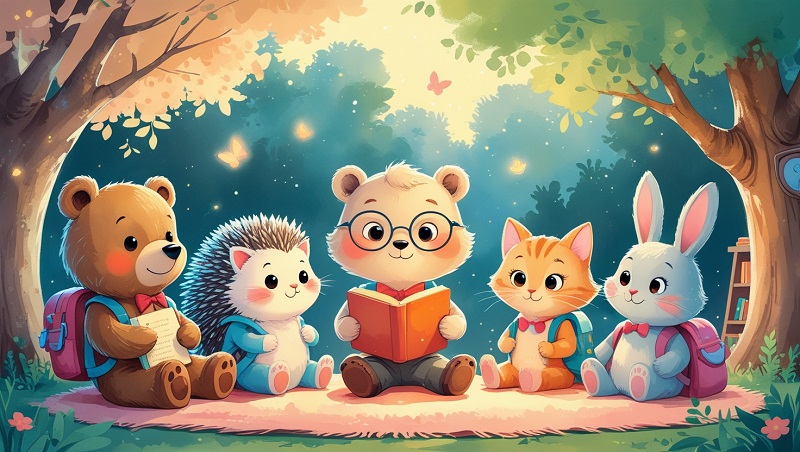
Forget boring lectures. A real educational story is a safe emotional space. In these stories, the main character (a little animal or another child) faces situations your child already knows well:
- not wanting to share a favorite toy truck;
- fear of darkness or visiting the doctor;
- first conflicts on the playground;
- confusing anger or hurt feelings that seem to appear “out of nowhere.”
Stories on the website help children experience these emotions in a safe way. A child sees that the character feels the same emotions and discovers solutions without fear or shame.
Therapeutic stories: healing fears through storytelling
A special place in the website’s library belongs to therapeutic stories. They work like gentle “medicine for the soul”: helping children cope with anxiety and softly guiding behavior without harming a child’s emotional well-being. These are the stories that help children get through age-related crises or adapt to preschool through empathy with the main character.
Between the ages of 3 and 6, children develop emotional intelligence. Stories teach them two essential lessons:
- Emotions are normal. Even when you feel angry, you are still a good person.
- Mistakes are part of learning. Stories teach empathy and confidence.
How to read stories at home so they really “work”
A story is not television — it is an invitation to connect. Here are a few parenting tips:
- Read with pauses. Give your child time to look at the pictures or ask questions. Your involvement matters more than the text itself.
- Talk about emotions. Under every story on the website, we added reflection questions. Instead of asking “What did the character do?”, ask: “How do you think they felt at that moment?”
- Turn it into a ritual. Evening reading creates a sense of safety for children. It becomes the comforting routine that helps them fall asleep peacefully.
Quick answers to common questions (FAQ)
- At what age should you start? Ideally from 2.5–3 years old. Relevant up to age 7.
- Are these stories suitable for boys? Absolutely. We create stories without gender stereotypes. Emotions are universal.
- What if a child asks for the same story again and again? That usually means this story is helping them process an internal fear or emotion. Read it as many times as needed.
Read online or take stories with you
All of our educational stories are available online: short, warm, and filled with meaningful illustrations. If you want to keep the stories nearby while traveling or offline, you can also download a free PDF page.
An educational story is not about “fixing” a child. It is about understanding that your child is already wonderful, while the world around them can sometimes feel complicated. Stories help you stay close, understand each other, and grow together.